

Determining Garden Soil Composition
The Perfect Mix: Understanding Garden Soil Composition and What It Needs
Understanding garden soil composition is essential for successful gardening, as is being able to amend the soil if necessary. We find that a few simple tests can tell us a lot about the earth we’re working with before we plant a single seedling.
Materials Required
These tests are simple explorations to help determine garden soil composition. Generally, we take a small trowel, some water, and a jar with us when we visit a new site. Of course, we also choose appropriate clothing for digging in the dirt, such as overalls and a pair of rugged 6-inch Waterproof Hiking Boots like the Farmington model.
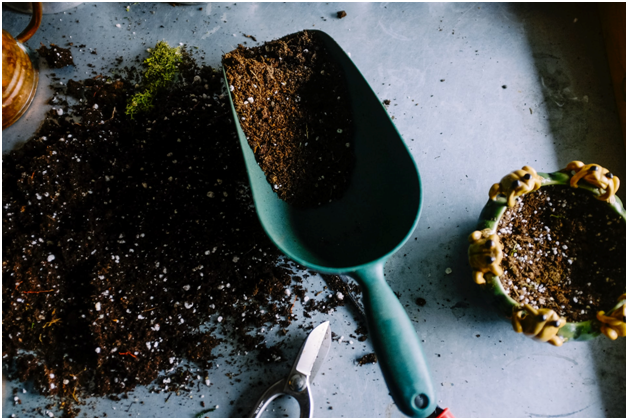
(Figure 1 Photo by Neslihan Gunaydin on Unsplash)
Why Soil Composition Matters for Your Garden and Your Feet
The garden soil composition dramatically affects how productive a site will be. The perfect loam soil mix is 40% sand, 40% silt, and 20% clay. Sand ensures proper drainage but doesn't hold nutrients well. Clay is packed with nutrients and retains moisture, but too much of it can drown your plants. Silt is the perfect middle ground between clay and sand.
Getting this balance right is crucial for your plants. But it’s also what you’ll be walking on, digging in, and kneeling in all season long. Working with silt loam or heavy clay requires reliable traction and support. Before you start, prepare your feet with durable, comfortable footwear from Rock Rooster that can handle the job.
The Jar Test for Garden Soil Composition
The soil jar test is our most precise DIY method. For this soil texture test, we need to dig up a few samples from different areas of your garden. Then, dry the soil on a screen to remove organic matter like leaves and roots.
Once dry, place about an inch of soil and a teaspoon of salt in a quart-size clear jar with a lid. Fill it with water until it's about two-thirds full. Shake it vigorously, then place it on a stable, level surface. You'll see sand settle to the bottom immediately, followed by silt over the next few hours. The clay fraction will take a few days to fully settle.
Once everything has settled, use a measuring tape to check the thickness of each layer. This allows you to calculate the percentages of sand, silt, and clay, giving you a clear picture of your garden's soil composition.
Waiting for clay to settle doesn't mean your work stops. Use that time to tend to other garden tasks. The right garden work boots, like the waterproof leather work boots, will keep your feet dry and comfortable as you move between testing spots. The ROCKROOSTER Sedona 6" Steel Toe Work Boots are an excellent choice, offering chemical/acid resistance and ASTM electrical hazard protection for ultimate safety around stored garden chemicals and tools.
(Figure 2 Photo by Gabriel Jimenez on Unsplash)
The Ribbon Exam for Garden Soil Composition
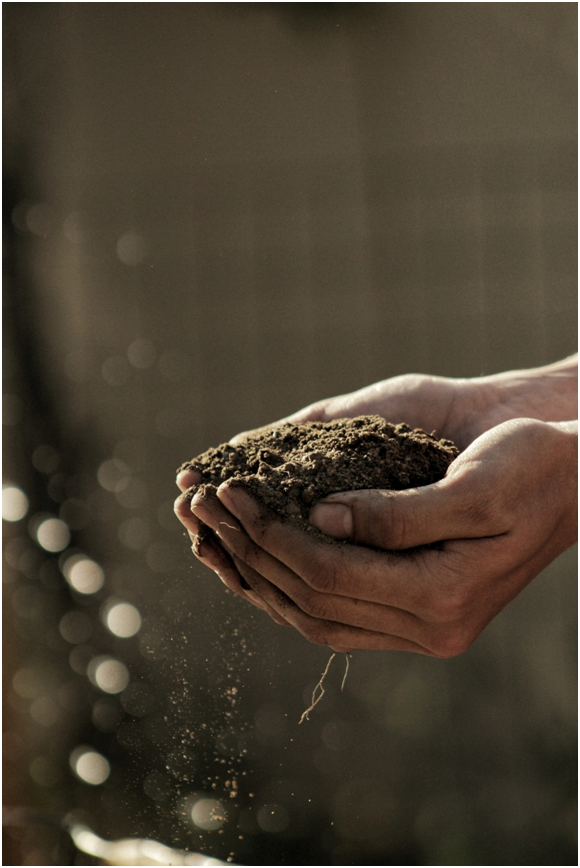
For this soil texture ribbon test, your soil sample needs to be slightly damp. Take a clump of earth and try to roll it into a ribbon between your thumb and forefinger. If a long ribbon forms and holds together, your soil is clay-heavy. If it crumbles immediately, your soil has a high sand content. If a short ribbon forms but easily breaks apart, you have a silt loam — that's the sweet spot for gardening.
Bending down repeatedly to sample soil in different spots can be tough on your back and legs. The right footwear helps you stay comfortable so you can focus on the task. Pull-on work boots are ideal for this, allowing for easy on-and-off as you move between the garden and house.
The Hand Squeeze Test for Gardeners on the Go
The hand squeeze test is the least scientific method, but it’s perfect for a quick check. Pick up a handful of damp soil and squeeze it tight. If it feels slimy and holds its shape like a ball of dough, you have clay-dominant soil. If you feel grit and it crumbles apart, you have sandy soil.
For a quick test like this, you need footwear that can handle a sudden splash of water or mud. Look for boots with a hydroguard waterproof membrane, like the ROCKROOSTER Norwood wedge sole work boots. The Vibram® outsole also provides superior slip resistance on wet surfaces—a common hazard when working with damp soil.
-
👢 Shop Now: ROCKROOSTER Norwood Men's 6" Brown Soft Toe Wedge Work Boots with Vibram® Outsole VAP611
Gear Up for Your Garden Tasks
Understanding your soil composition and texture is the first step to a successful garden. The next is having the right gear to work that soil safely and efficiently. Investing in a pair of high-quality gardening boots from Rock Rooster will make every trip to the garden a more productive and comfortable one.
Why Your Choice of Footwear Matters for Gardening
Beyond fashion, the right boots protect you from unexpected sharp objects hidden in the soil. Whether you are tilling a new plot or digging test holes, look for a slip resistant work boot that gives you stability on uneven terrain. The Bakken Steel Toe Pull-on Boot offers a rugged outsole and a durable steel toecap for superior protection. You also want to consider if you need waterproof boots to keep your feet dry while watering plants or dealing with heavy clay soils that hold moisture.
For heavy lifting, such as moving bags of sand and amendments, a steel safety toe provides the safety you need. If you plan on doing a lot of kneeling or squatting in the garden, a lighter soft toe wedge work boot like the Edgewood model offers flexibility without sacrificing grip.
 USD $
USD $
Leave a comment