

Dig In: Your Step‑by‑Step Guide to a Thriving Kitchen Garden

Dig In: Your Step‑by‑Step Guide to a Thriving Kitchen Garden (And the Gear That Helps You Get There)
Kitchen gardening made a powerful comeback in 2020, and today, more people than ever are turning to their own backyards (and windowsills) for fresh food. If you’re facing shortages of vegetables or just want more control over what’s on your plate, the solution is simple: jump into gardening.
The best part? Kitchen gardening is entirely organic and economical. It’s a win‑win.
So, let’s roll up our sleeves—and lace up our boots—for a complete step‑by‑step guide to creating your own vegetable garden at home.
Sunlight

Sunlight: The Oxygen Your Plants Crave
Sunlight to plants is what oxygen is to humans. Without enough light, your plants can’t perform photosynthesis, which means they can’t make their own food. Most vegetables need at least 5 hours of direct sunlight per day.
That’s why choosing the right spot is a must. The most popular location is the kitchen windowsill—it often has direct access to sunlight. If you don’t have enough natural light, you can also use grow lights.
💡 Pro Tip: Observe your chosen spot throughout the day to see exactly how much sunlight it gets before you plant.
Container

Containers: Almost Anything Can Work
Finding containers for your kitchen garden is easier than you think. Earthen pots are cheap and readily available, but you can also reuse plastic bottles or glass jars. Just make sure your container is at least 5‑6 inches tall and has a drainage hole for root development.
💡 Pro Tip: Place a layer of pebbles at the bottom of your container. This helps with drainage and prevents roots from sitting in water.
Soil for your Kitchen Garden

Soil: The Foundation of a Great Garden
Soil acts as both a medium and a source of nutrients. You can make your own mix by combining regular soil with red soil, or you can buy a ready‑made mix from a local garden store. Whatever you choose, it must be well‑drained and free of rocks or large pebbles.
💡 Pro Tip: Always add compost to your soil. It helps retain moisture and provides both macro‑ and micronutrients your plants need to thrive.
Seeds vs. Seedlings
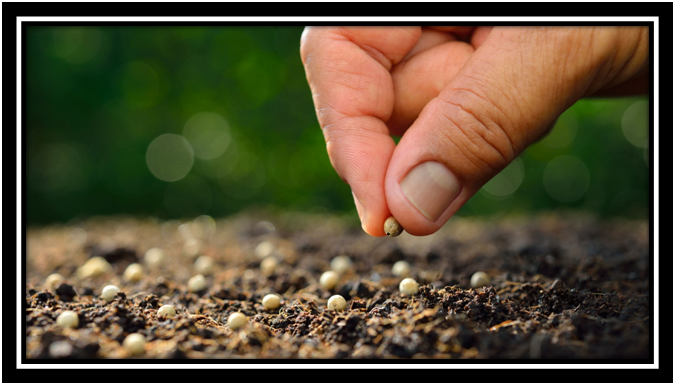
Seeds vs. Seedlings: Which Is Right for You?
You can start with seeds or seedlings—both work. If you’re a beginner, seedlings are easier to manage. But don’t be intimidated by seeds; they’re not that hard to grow, and they’re usually available at any nursery or local store.
💡 Pro Tip: After sowing seeds, cover the container with a net. This protects young plants from intense direct sunlight and extreme heat.
Watering Your kitchen Garden

Watering: Keeping Your Plants Happy
Water is essential for keeping your kitchen garden healthy, but how much depends on the season. Plants need more water in summer and less in winter. Their location matters too: plants on a sunny windowsill may dry out faster and need more frequent watering.
💡 Pro Tip: Use the finger test to check moisture. Stick your index finger about one inch into the soil. If it feels dry, it’s time to water. If it feels wet, wait.
The Gear That Makes Gardening Easier (And More Comfortable)
None of these steps requires heavy equipment—but having the right footwear can make every task more comfortable and safe. You’ll be kneeling, digging, hauling bags of soil, and walking across wet patios. Here’s what to look for:
✅ Waterproof Protection
Morning dew, wet soil, and accidental spills are all part of gardening. Boots with a Hydroguard waterproof membrane keep your feet dry while allowing moisture to escape—so you stay comfortable all morning long.
Recommended: ROCKROOSTER Colmar 8” Suede Leather Waterproof Boots – Slip‑resistant, waterproof, and built for long hours on your feet.
✅ Slip‑Resistant Soles for Wet Surfaces
From damp patios to muddy paths, garden surfaces can be treacherous. A Vibram® outsole gives you reliable traction on wet or uneven ground.
Recommended: ROCKROOSTER Walker 6” Waterproof Wedge Work Boots – Lightweight, soft‑toe, and built with a Vibram® outsole.
✅ Puncture Resistance for Hidden Hazards
A dropped trowel, a broken pot, or a stray nail in your garden soil can ruin your day. A Kevlar puncture‑resistant midsole protects your feet from sharp objects you might not see.
Recommended: ROCKROOSTER Daviston 6” Brown Composite Toe Waterproof Work Boots – Kevlar midsole, waterproof, and ASTM‑rated for safety.
✅ Comfort for All‑Day Gardening
Gardening can mean hours of standing, kneeling, and walking. Boots with anti‑fatigue foam insoles reduce strain on your feet and lower back—so you can focus on your plants, not your aches.
Recommended: Botas Pro Khaki 4” Waterproof Outdoor Shoes – Lightweight, flexible, and perfect for smaller garden spaces.
Final Words
Remember: the plants you’re growing are like your children. You must take care of them if you want them to thrive. Kitchen gardening is challenging, but it’s also incredibly rewarding.
So stay calm, enjoy the smell of your garden, and trust the process. And when you’re ready to make every gardening session safer and more comfortable, Rock Rooster footwear has your back (and your feet).
🌱 Ready to start your garden? Gear up first at RockRoosterFootwear.com.
 USD $
USD $
Leave a comment